

One Website, Two Markets: Why Your Business in Europe Needs a Persian and English Website
If you run a business in Europe and you speak Persian, you probably have two kinds of customers. Some are Iranians and Afghans who feel most comfortable in Persian. Others are local and international customers who search, read and decide in English. Both groups can bring you real income — but only if your website speaks to them.
Many small businesses still have a website in only one language, or no website at all. They lose customers every day without noticing, because people rarely complain; they simply leave and contact someone else. In this article we look at three problems a one-language website creates, and three practical ways a bilingual Persian and English website can open two markets at the same time.
3 Problems with a One-Language Website
Half of Your Potential Customers Cannot Understand You
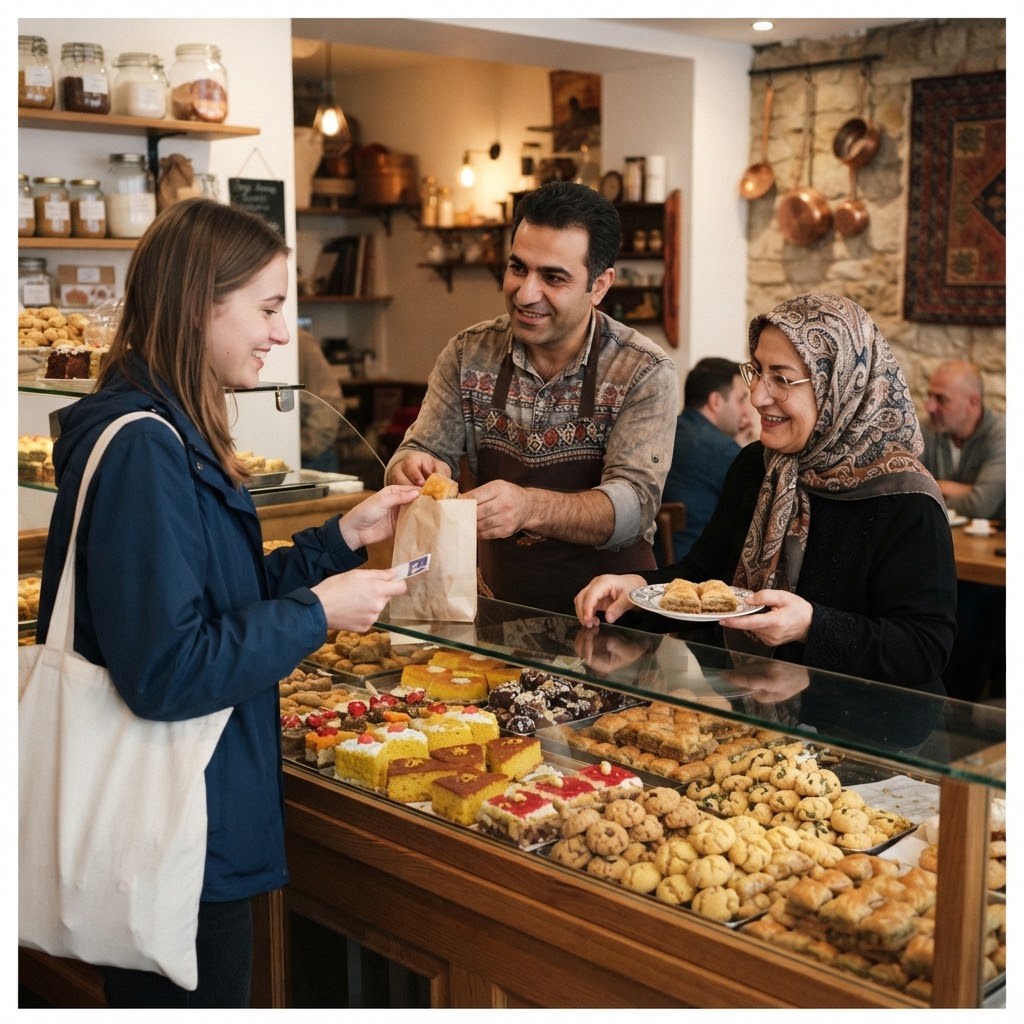
When your website is only in English, many Persian-speaking customers — especially older people and new arrivals — feel unsure. They may understand a little, but they do not feel confident enough to book, order or ask a question. When your website is only in Persian, local and international customers cannot read it at all. In both cases, you are only talking to half of the people who could buy from you.
Example: imagine a Persian bakery in Hamburg with excellent pastries. Its website is only in Persian. German and international customers who find it on Google see text they cannot read and leave immediately, even though they would happily buy saffron cakes and baklava for a party.
Customers Who Don't Understand, Don't Call
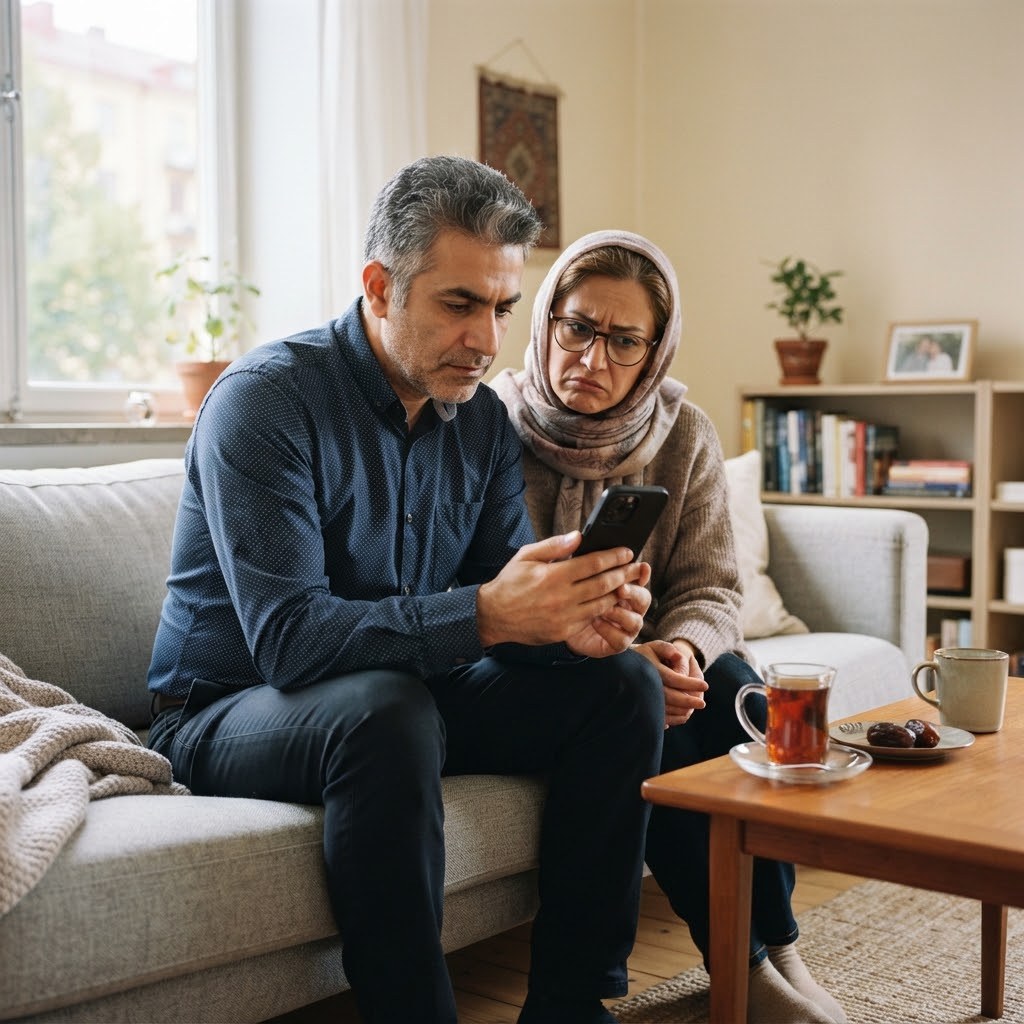
People do not contact a business when they are unsure. If a visitor cannot quickly understand your services, prices and how to reach you, they will not call to ask. They go back to the search results and contact a competitor whose website is clear in their language. You never see these lost customers, so the problem stays hidden.
Example: an Iranian accountant in Stockholm has an English-only website. A Persian-speaking family who just moved to Sweden needs help with taxes, but they are not sure they understand the English service descriptions. Instead of calling, they ask in a community group and get the number of another accountant who explains everything in Persian.
Trust Is Lost Before the First Conversation
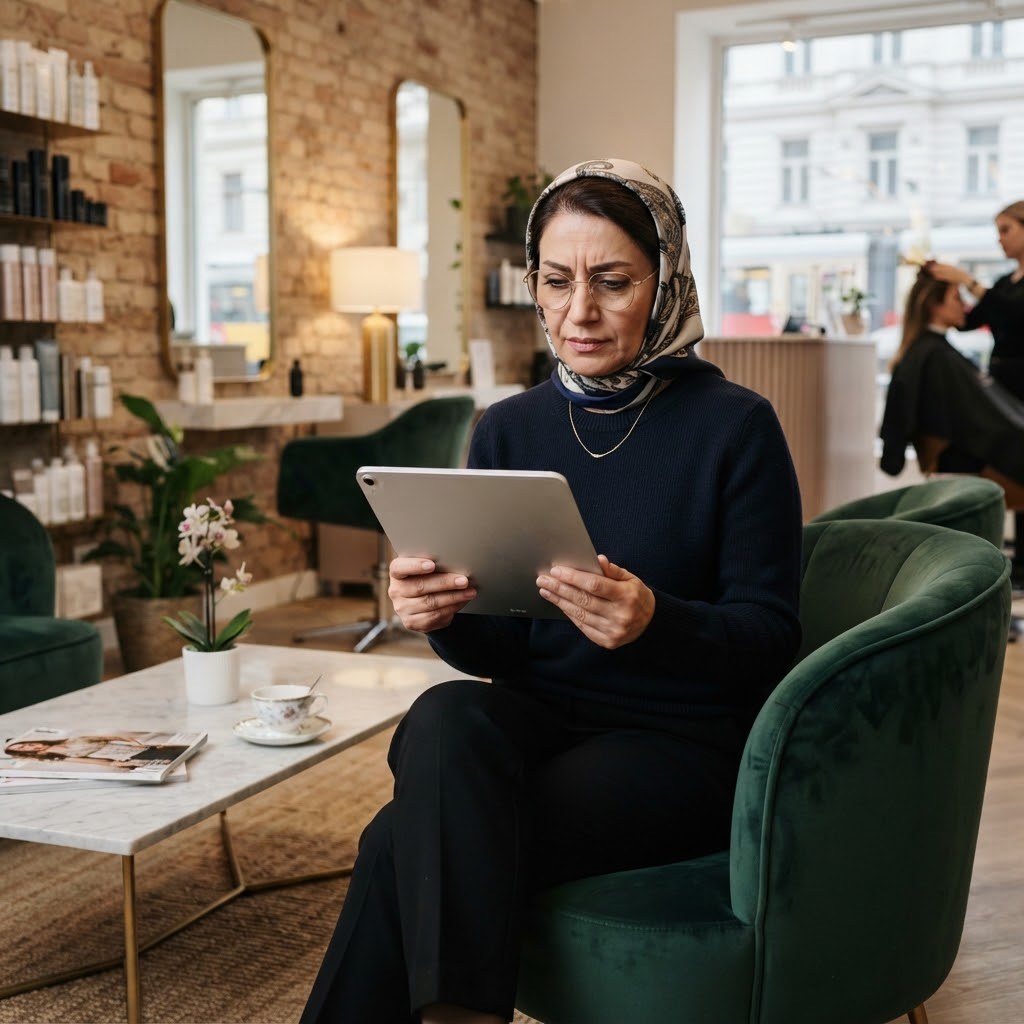
Language is not only about understanding; it is also about trust. Customers trust a business more when it speaks to them in their own language, with clear and natural text. A website that uses machine-translated sentences, or switches between languages in a confusing way, looks unprofessional and makes people hesitate to share their money or personal details.
Example: a beauty salon in Vienna added a Persian page by copying an automatic translation. Persian-speaking visitors noticed the strange sentences right away and doubted the quality of the salon. A short, well-written page in natural Persian would have built trust instead of losing it.
How a Bilingual Website Opens Two Markets
A Real Bilingual Website, Not Just a Translation
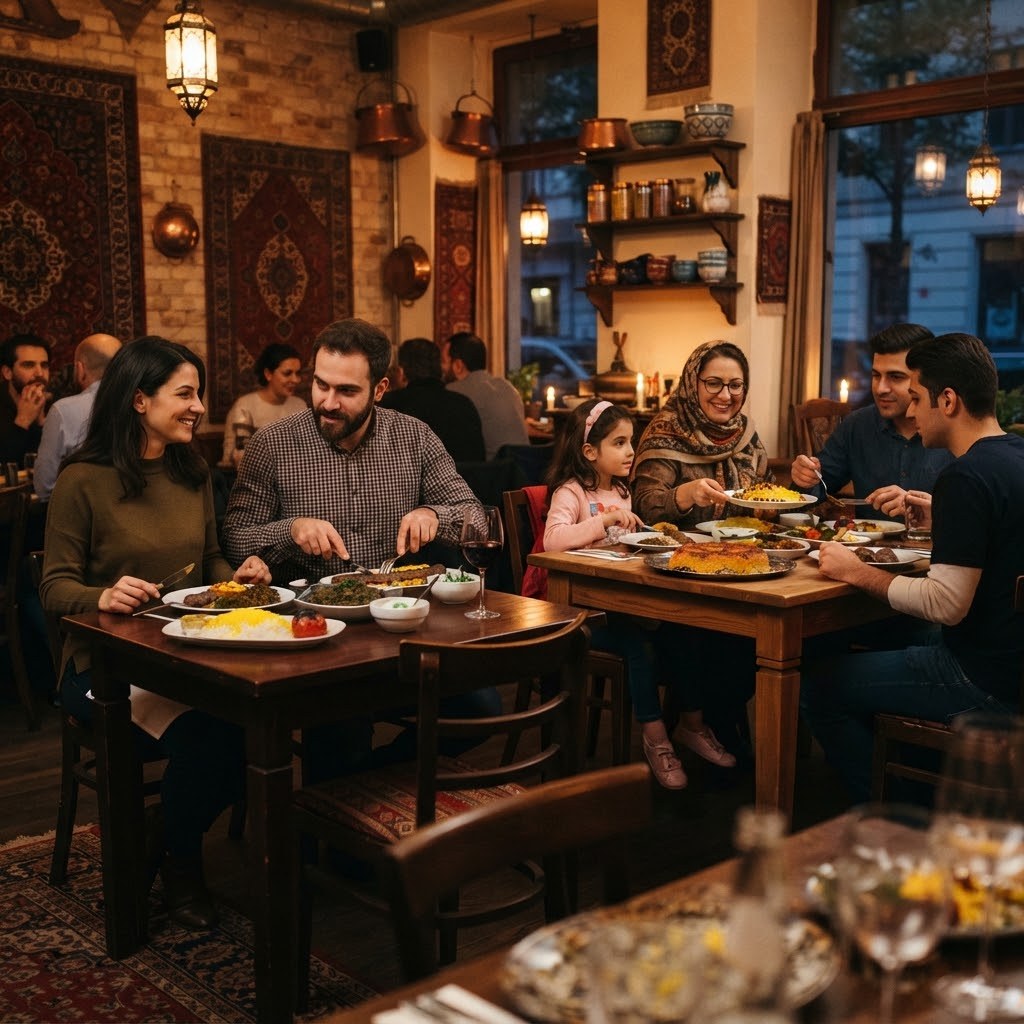
A good bilingual website is planned for both audiences from the start. Each language has natural, well-written text, the right direction (right-to-left for Persian, left-to-right for English) and the same clear structure. Prices, services and contact details are easy to find in both versions, so every visitor feels the website was made for them.
Example: a Persian restaurant in Berlin built a website with full English and Persian versions. Locals read the English menu and book tables for dinner, while Iranian families read about catering for celebrations in Persian. The same website now brings two types of customers every week.

Easy Language Switching and Mobile-First Design
Visitors should be able to switch language with one tap, on every page, without losing their place. Because most people browse on their phones, both versions must be fast, readable and easy to use on mobile, with large buttons for calling or sending a WhatsApp message.
Example: a dental clinic in Amsterdam added a simple EN / FA switch at the top of every page. Persian-speaking patients now read about treatments in their own language and send a WhatsApp message directly, while Dutch and international patients use the English version to book check-ups.
Clear Contact Options for Both Audiences
The final step is making it easy for both groups to reach you. A WhatsApp button, a clear phone number, opening hours and a simple contact form should be visible in both languages. When customers know they can talk to you in Persian or English, they contact you with confidence instead of searching for someone else.
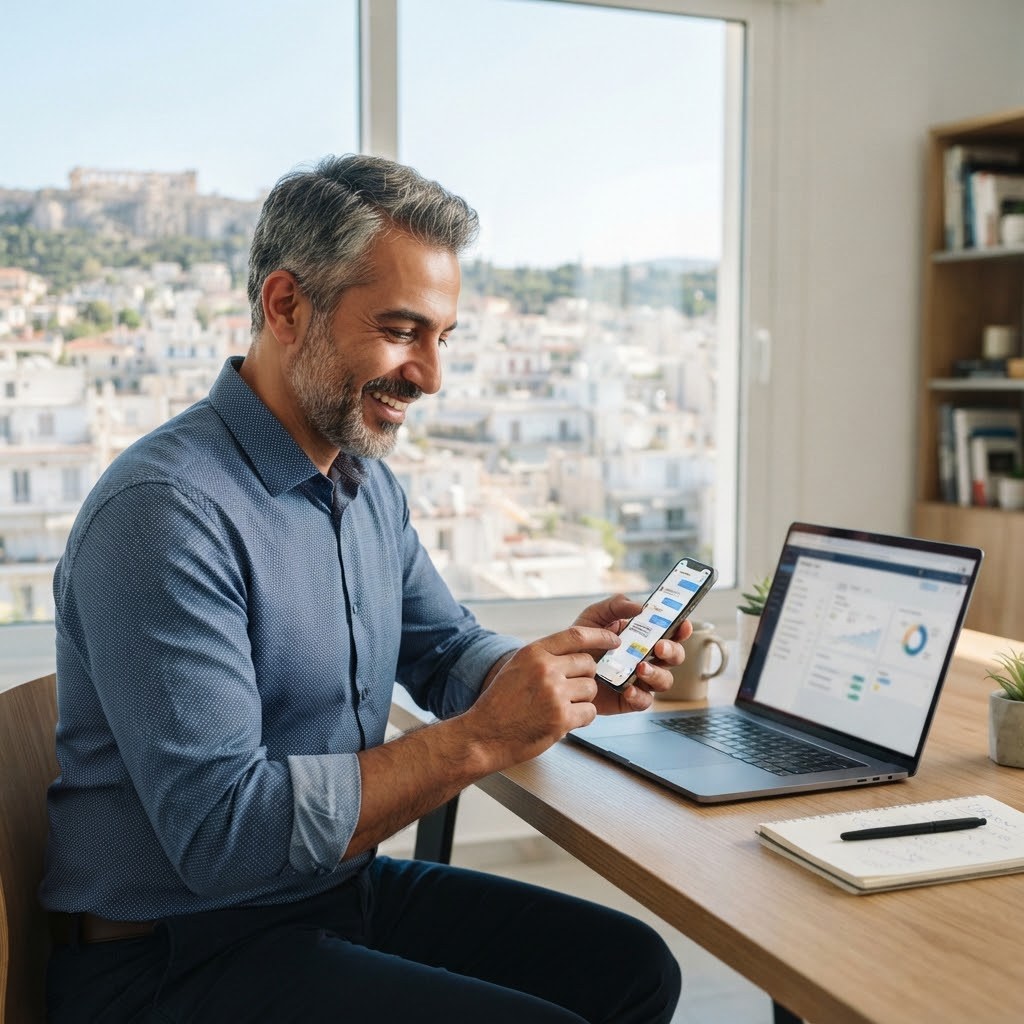
Example: an immigration consultant in Athens added a WhatsApp button and a short note saying "We speak Persian and English" on every page. Within a few weeks, he received more messages from both Iranian clients and international clients who had previously only looked at his site and left.
Frequently Asked Questions
Is a bilingual website much more expensive than a one-language website?
Not necessarily. When the website is planned for two languages from the beginning, the extra work is mainly the second version of the text. The design, structure and technical setup are shared, so the cost stays reasonable.
Will Google show my website in both languages?
Yes. When each language has its own pages and is set up correctly, Google can show the English version to people searching in English and the Persian version to people searching in Persian.
Do I have to pay before I see my website?
No. We work without upfront payment: you see your website in both languages, ask for changes, and pay only when you are happy with it.
Conclusion
If you serve both Persian-speaking and international customers, a one-language website means you are only talking to half of your market. A real bilingual website — clear, natural, mobile-friendly and easy to switch — lets you welcome both groups and turn more visitors into calls and messages. You can see sample bilingual designs at ready-project.com.onlyonlinelife.com/samples. We build Persian and English websites for businesses across Europe, with no upfront payment — you pay only when you love your website.
📲 WhatsApp: +98 914 391 0159
🌐 www.onlyonlinelife.com